I Thought I Needed Work-Life Balance. I Was Wrong.

Imagine that starting tomorrow, you no longer work. How does that make you feel?
If you feel relieved, here's the honest truth:
You don't need work-life balance; you need work-life alignment.
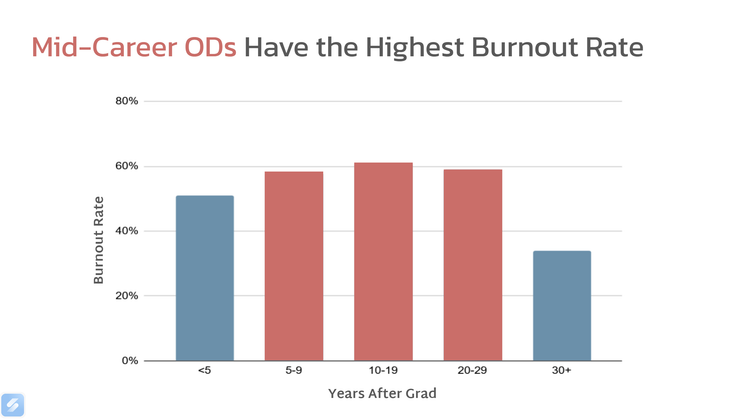
When I faced a major burnout, it truly felt like my work was keeping me from living my best life. There was work. Then there was life.
I wanted more work-life balance so I "quit to work less and live more."
I also pondered leaving optometry. As I was looking into law school, I found travel optometry which reignited my passion for optometry.
Now, as a travel optometrist and speaker on burnout, I've built a career that reflects my individuality. Finding work-life alignment unlocked more work happiness than I ever imagined.
The Problem with Work-Life Balance
Work-life balance implies two separate entities in direct competition. Work on one side, life on the other. A seesaw where more of one means less of the other.
But work and life aren't separate entities. It's all just life.
Treating work and life as opposites and trying to find an impossible equilibrium only add more stress.
Work-life alignment flips the script.
Work energizes life, and life energizes work. The goal isn't perfect balance — it's harmony. A career that not only fits into your life but also reflects who you are.
Three Ways to Find Work-Life Alignment
This isn't a switch you flip overnight. But there are real, practical places to start.
1. Jobcrafting
You don't need to blow up your career to feel differently about it. Sometimes small, intentional changes to how you work make all the difference.
Jobcrafting means adjusting the tasks you take on, investing in work relationships, or finding a new meaning from your role.
Check out my article for more on this topic.
2. Building a Portfolio Career
A portfolio career is a unique combination of paid and unpaid roles that reflect who you are.
For optometrists, this might mean adding non-clinical work alongside clinical practice — writing, speaking, consulting, educating, or advocating. It might also mean volunteering in a cause you care about, or building something on the side that's driven by passion rather than a paycheque.
Work happiness depends on many factors such as autonomy, growth, purpose, and more. Sometimes our main job can't meet all those factors; but adding more roles (especially unpaid roles!) can offer what's missing.
3. Prioritizing Holistic Well-Being
Work is just one pillar of well-being. Your health, important relationships, and playing (yes, you read that right) are equally important pillars of well-being.
When the other pillars are strong, you're more resilient at work. You have more to give.
Alignment isn't just about work. It's about building a life where each part supports the others.
The Question Worth Sitting With
Before I found work-life alignment, I scoffed at quotes like "find a job you love and you'll never work a day." But as I've learned through my journey, cliches exist for a reason.
Let's return to the scenario: no work starting tomorrow.
If you feel relieved, it's worthwhile to ask: how can I build a career aligned with my passions and values?
That question changed everything for me. It might do the same for you.