
Is That A Purple Cow??

I was driving along a country road when I spotted a herd of cows grazing in a field. Peaceful and ordinary. Then suddenly, I saw something that made me slam on the brakes.
"Is that a purple cow??"
Okay — I have to come clean. I didn't actually see a purple cow. But this scenario demonstrates a key idea in marketing.
The Concept
Seth Godin, bestselling author and expert marketer, coined the Purple Cow idea.
Godin says that in today's overcrowded marketplace, being good isn't enough. You have to be good AND memorable.
I believe this concept applies to career-building as well.
The Breakthrough
For most of my career, I worked as an associate optometrist without any professional interests that set me apart. At networking events, I'd say:
"Hi, I'm Fred. I'm an optometrist in Toronto."
I'd get a polite nod. The look in their eyes said, "heard that one before."
Now, after my career pivot, I'd say:
"Hi, I'm Fred. I'm a travel optometrist. What brings you to this event?"
Almost always, their eyes spark with curiosity. People lean in, and we end up having a memorable exchange.
Fit In, then Fit Out
Every optometrist learns to "fit in". After thousands of eye exams, you become a competent clinician just like others that came before you. That competence matters.
But the key to a fulfilling, sustainable career is about the next stage – fitting out. Call it finding your niche or differentiating yourself from the crowd – it's about standing out with your authentic values, passions, and strengths.
A big reason why I faced a major burnout is that I never made that transition. And when I finally began fitting out with my passions and strengths, more opportunities started coming my way.
How To Fit Out
The good news is that there are so many ways you can fit out:
1. Get creative with optometry specialty.
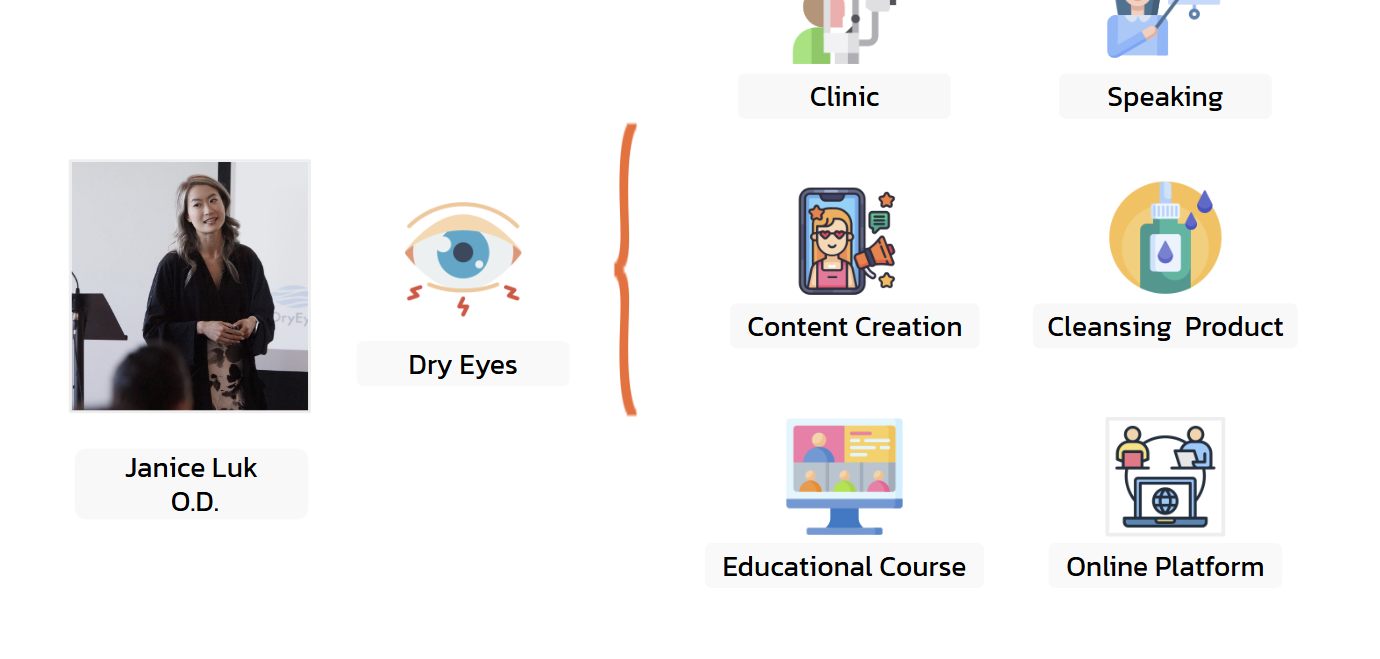
Dry eye, for example, can be so much more than just clinical work. You can speak about it, create content, deliver CE lectures, be a practice management consultant, or conduct clinical research. The niche expertise opens doors beyond the exam room. Dr. Luk's career is a perfect example of this:
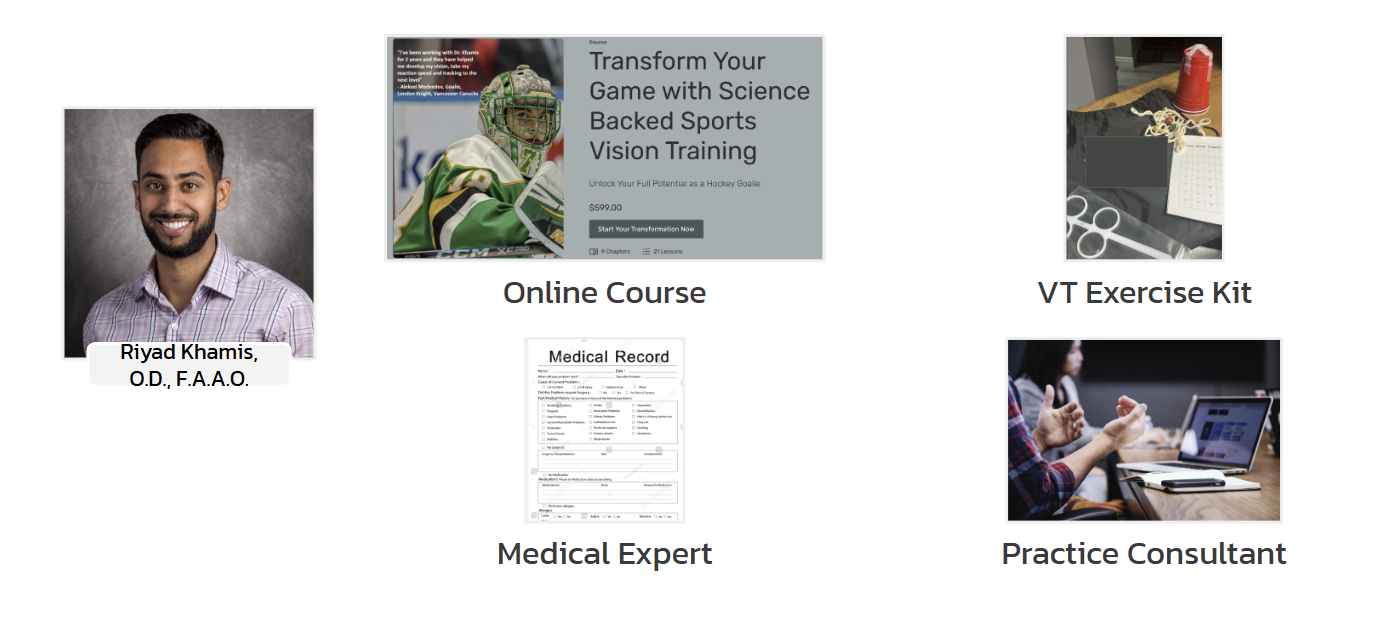
The same goes for binocular vision — expert witness work, medical writing, sports vision, online education. These aren't just possibilities; they're paths that ODs like Dr. Riyad Khamis are already walking.
2. Explore non-clinical roles
Taking it one step further, optometry degree itself is a launchpad for a whole host of non-clinical roles in various industries:
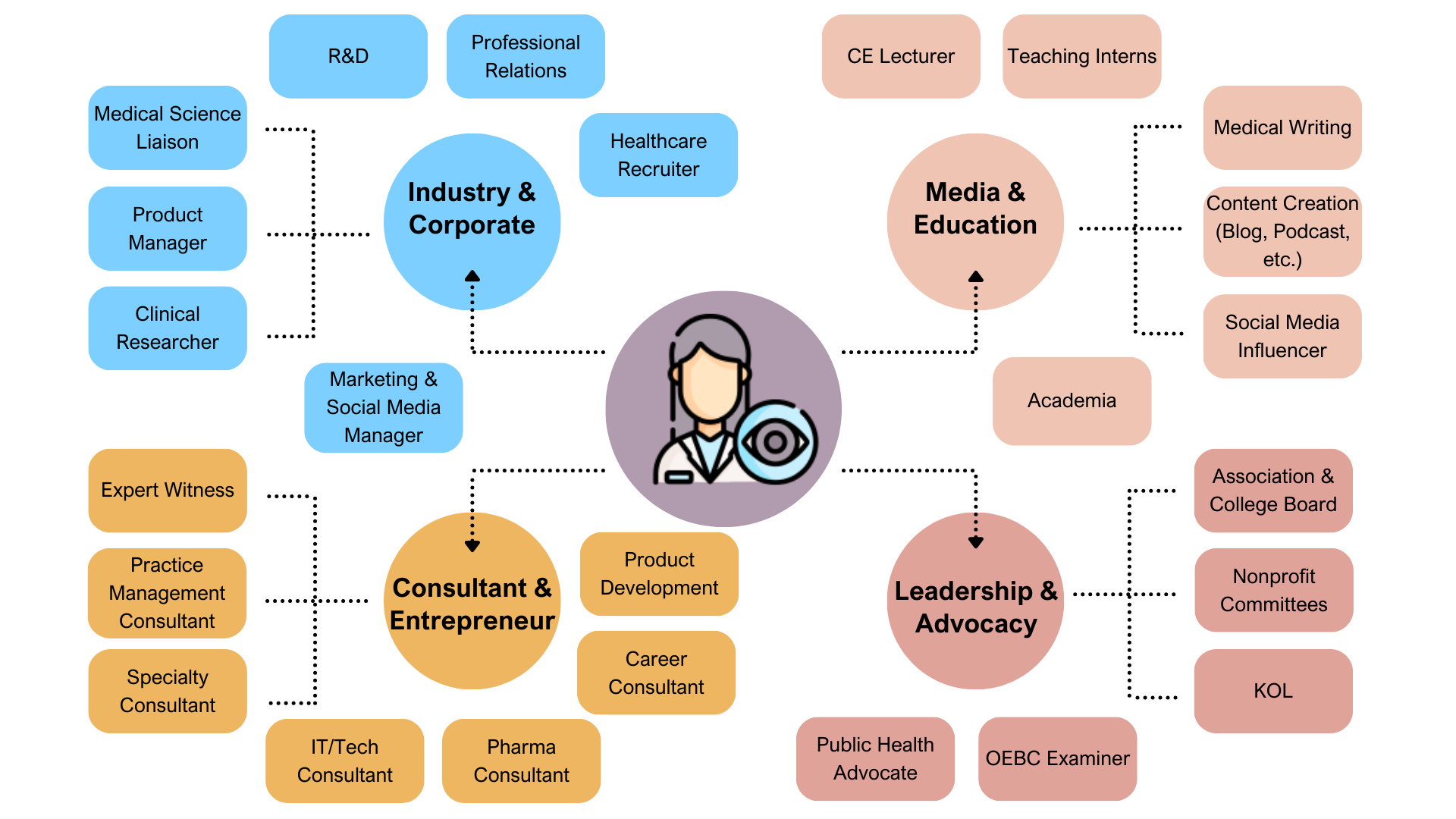
If full-time clinical work genuinely fills you up, that's awesome. But if your inner voice is asking "what's next?", be open to exploring new roles!
Check out my articles diving into this topic.
3. Lean into a passion outside OD
This one often gets dismissed, and I think that's a mistake.
If you have something you care deeply about outside of optometry, that passion can become a part of your professional identity.
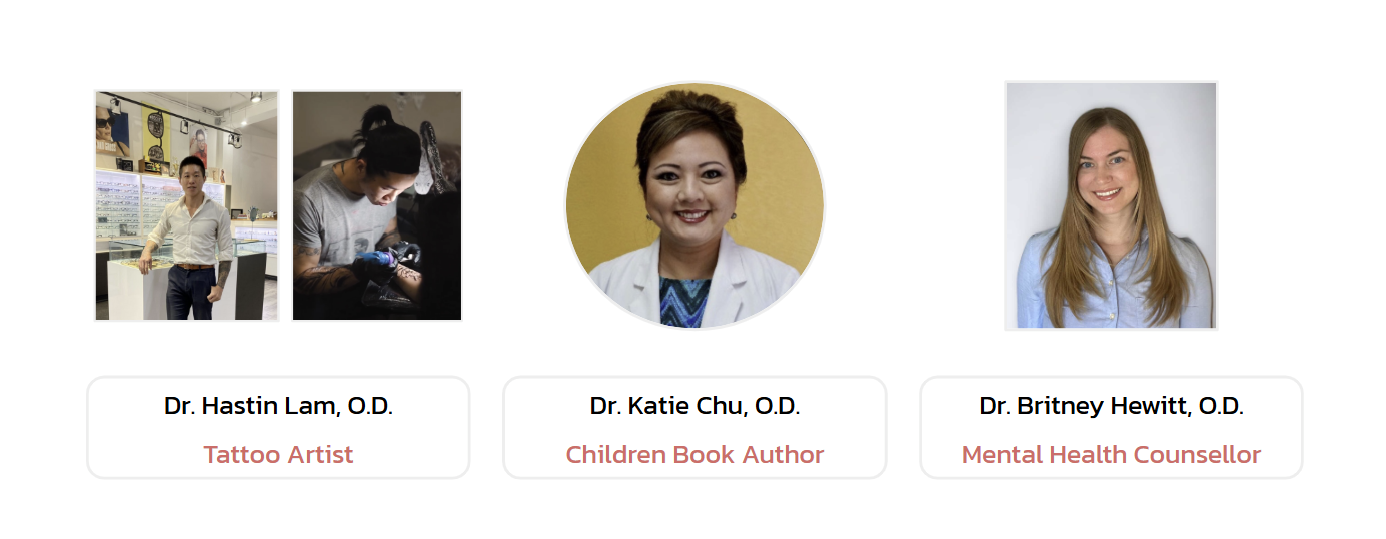
Colleagues have shared how their passion outside of optometry gave them balance, making them a better, happier optometrist.
Your "work" can be more than just clinical optometry – a unique combination of paid and unpaid roles that reflect who you are.
What's Your "Purple Cow"?
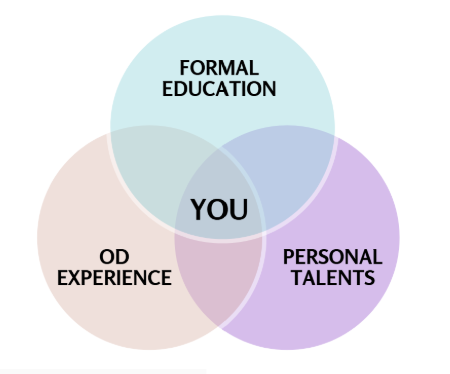
Here's what I've come to believe: every optometrist has a "purple cow" inside them – a unique combination of skills, life experiences, and passions that no one else has.
The question isn't whether you can fit out. It's whether you'll give yourself the permission to fit out.


Member discussion