
Dr. Dana Blakolmer: Reconnecting With Her Roots
There's a question I think about a lot when I meet optometrists who've been in practice for decades:
What keeps the flame going?
When I sat down with Dr. Dana Blakolmer — an optometrist with 30 years of practice under her belt — I wasn't expecting her answer to start with a grandmother who survived a residential school.
The Silence That Shaped Everything
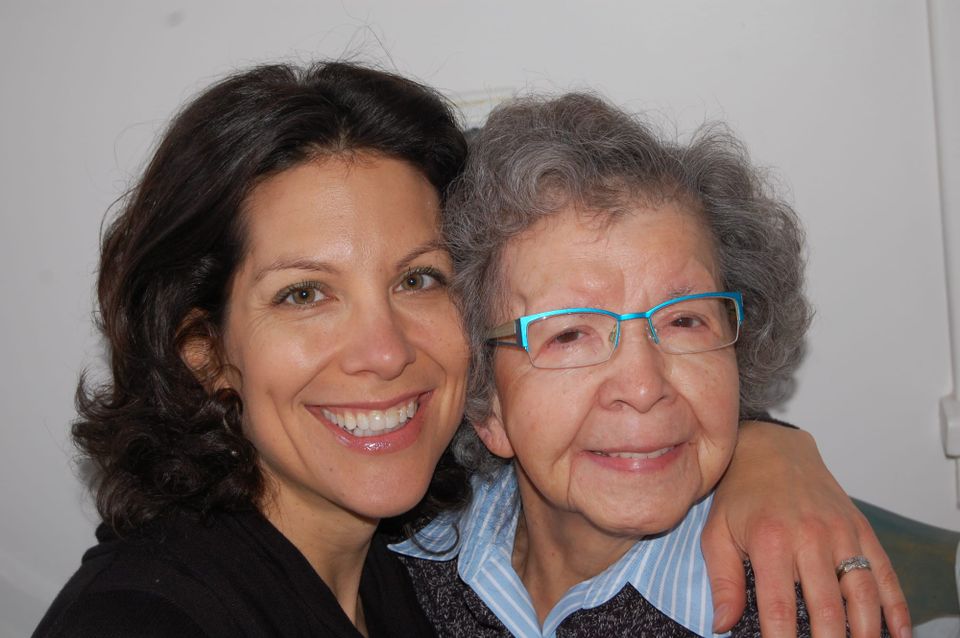
Her grandmother was born near Kamloops at Simpcw First Nation. After surviving a residential school, she moved to Ontario and never once spoke about being Indigenous.
Dana said, "my grandmother just pretended she wasn't Indigenous. Forever."
Until a few years ago, Dana had no idea she was Indigenous.
There were some small hints before her grandmother died, but it wasn't until after her passing that the family fully understood her heritage and life story.
What started as a discovery of her heritage became something unexpected — a catalyst for the next chapter of her career: delivering eyecare to Indigenous communities in rural British Columbia.
Storage Rooms and Kitchens
Dana began building relationships with her band in British Columbia and began learning more about her roots.
Today, Dana routinely travels to Indigenous communities in rural BC. To these communities, Dana provides an invaluable eyecare that they simply can't get otherwise.
The work is nothing like her full-scope Oshawa clinic though. No OCT, no retinal camera, and an incredibly busy schedule. She sets up an exam room in nurses' offices, storage rooms, and yes — sometimes kitchens.
"If you just hold your composure and make a joke about it," Dana said, "they're very understanding."
Thirty years of practice taught her that perfection isn't the goal. Showing up is. And showing up, in communities where trust has been broken for generations, continues to fuel her passion.
What Cultural Safety Actually Means
Dana learned about cultural safety through a great course offered by the BC Doctors of Optometry Association.
She described how what might look like a patient not caring — a missed appointment, silence in the chair, reluctance to engage — can be rooted in generations of systemic trauma. Residential school survivors were taught not to speak. That silence passed to their children, and their children's children.
"They do care about their health," Dana said. "They do want to have good vision. But it may be hard for them (to speak up)."
She offered helpful tips for any practitioner working with Indigenous (or any marginalized) patients:
- Ask before you act. Is it okay if I ask you these questions?
- Give them options. We can do this tomorrow if you'd prefer.
- Don't assume silence is indifference.
- Let them lead.
"It's really on us as optometrists," she said.
Primary Care Is Enough
Somewhere in optometry school, many of us believe that primary care is just the starting point, not the destination.
Dana disagrees.
She tried dry eye. She explored vision therapy. She kept experimenting through different chapters of her career. And what she returned to, again and again, was her love for primary care.
"I bring a patient in, close the door, and forget everything happening outside," she said. "I just want to be with my patient."
That's a rare perspective in the healthcare world that rewards productivity.
"My younger self always wanted to do specialty care," she said. "But now I know that primary care is special enough. I love it."
"I Have More Questions Than I Ever Did"
I asked Dana, "if your younger self could see you now, what would she be most surprised by?"
She didn't say the travel, the rural clinics, or the Indigenous advocacy work.
"My younger self would be surprised that I don't have all the answers. I thought I would have figured out what life was all about by now. But I don't. I have more questions than I ever did," she said.
"It just speaks to the fact that life is about constant learning. You have to stay open and stay humble."
At the end of our conversation, Dana defined work happiness simply: connections and relationships.
A patient struggling with something beyond optometry. Five minutes of real conversation. A genuine moment between two humans.
"She helped me too," Dana said. "It's a two-way street."
Dana's grandmother left her family and indigenous life at 18 years old, and never looked back. Decades later, Dana found her way back — not just to the land, but to the people, turning silence into reconnection.
Thank you Dr. Blakolmer for sharing your incredible story. You are an inspiration to us all.
Member discussion